Physics by hand
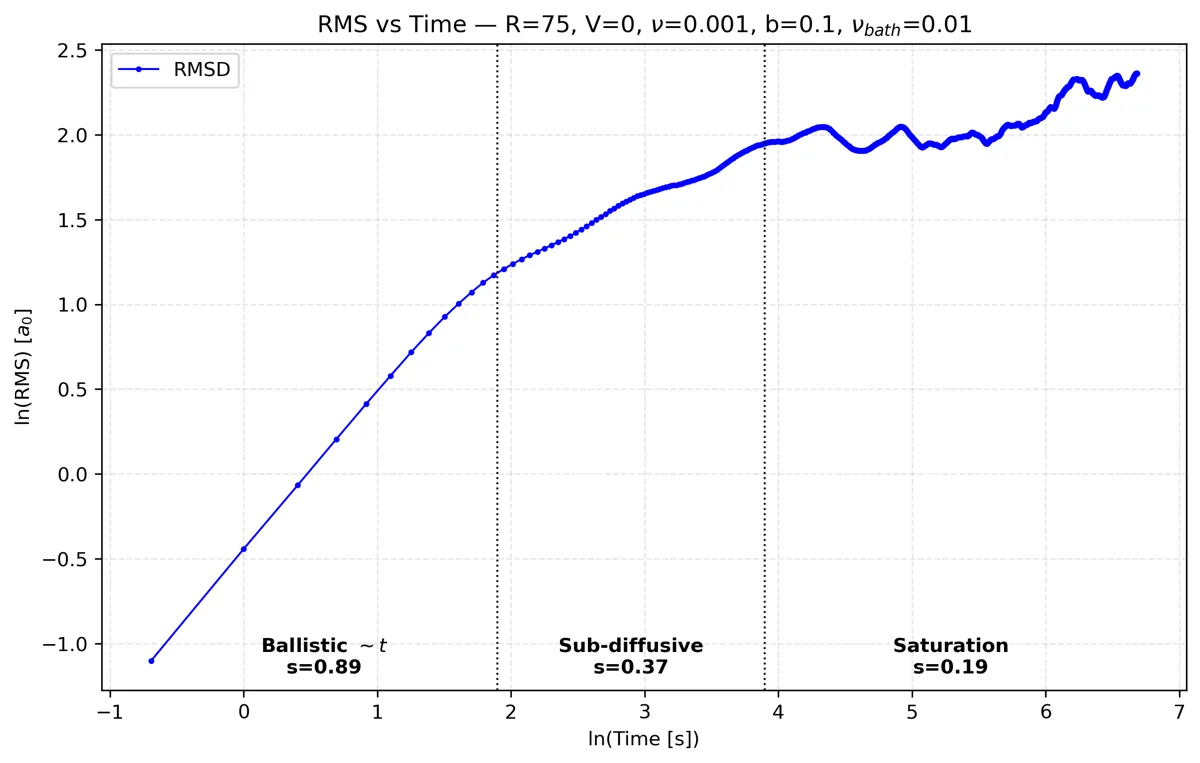
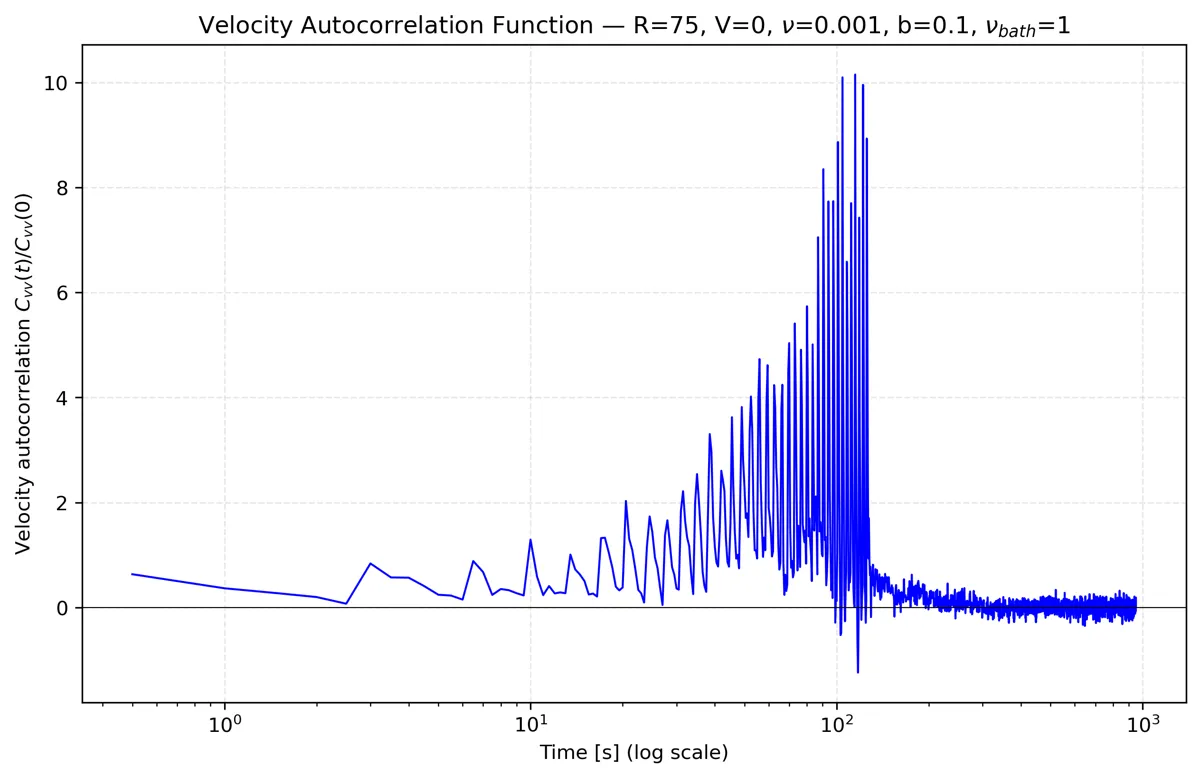
I wrote the integrator myself: Velocity-Verlet for motion and an Andersen thermostat to hold temperature, so active swimmers behave correctly over long runs.
There's quiet music on this site. It stays off unless you choose it, and it keeps playing as you move between pages.
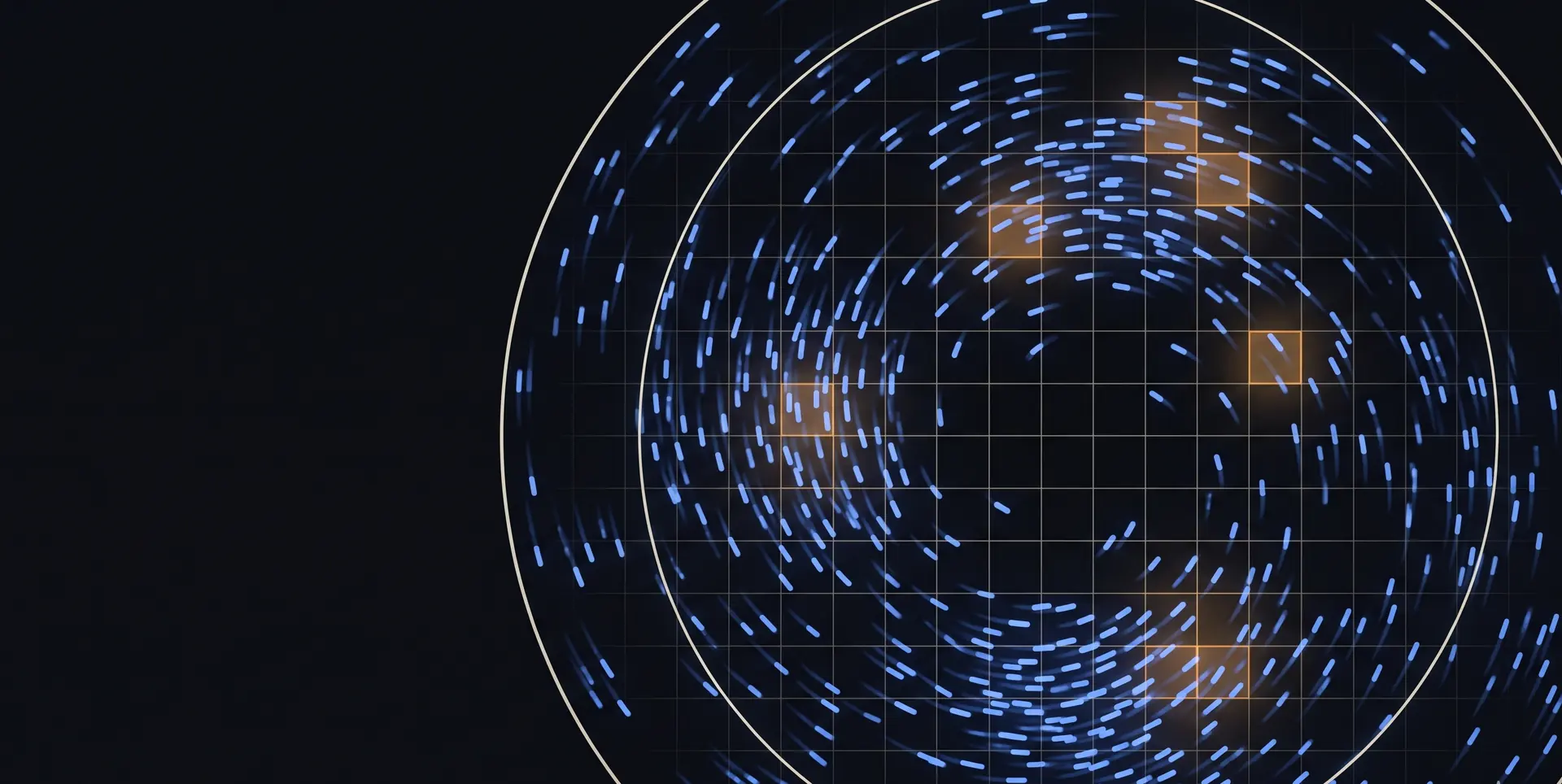
My B.Tech thesis: a 2D molecular-dynamics engine in C++ for tiny swimmers squeezed into a shrinking space. A spatial-hashing grid made collision checks about 61 times faster.
I wrote the integrator myself: Velocity-Verlet for motion and an Andersen thermostat to hold temperature, so active swimmers behave correctly over long runs.
Checking every pair of particles is O(N²). I replaced it with a spatial hash: the box is cut into cells and each particle only checks its own and neighbouring cells. Measured speedup: about 61×.
The demo below is a small JavaScript sketch of the same idea. Switch modes and watch the pair-check count.
A resumable parameter sweep ran 70+ configurations on IIT Delhi's Baadal academic cloud. If a job died, it picked up where it stopped.
The real engine is C++ with Velocity-Verlet integration and a thermostat. This sketch only shows why hashing wins: watch the pair-check count.